Book Appointment Now

Defensive Baseball Drills to Sharpen Your Skills
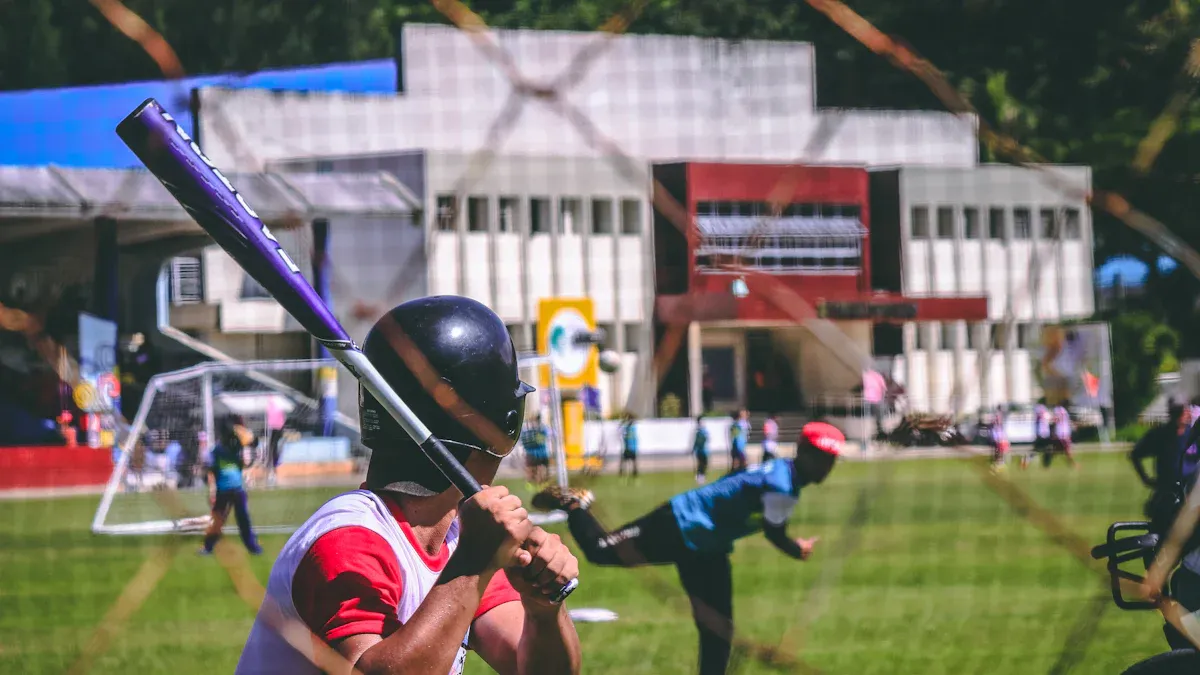
Defensive skills play a crucial role in baseball. They can often determine the outcome of a game. When you master these skills, you enhance your ability to make critical plays and support your team effectively. Regular practice of defensive baseball drills sharpens your skills and builds confidence.
Professional teams focus heavily on defense during every practice. They aim to achieve 21 consecutive outs through high-pressure drills. This approach ensures that every player actively participates, reinforcing the importance of consistent defensive practice.
Key Takeaways
Regular practice of defensive drills boosts your skills and confidence on the field.
Infield drills like ground ball techniques and double play drills enhance your reaction time and teamwork.
Outfield drills, such as fly ball catching and the crow hop technique, improve your catching and throwing accuracy.
Teamwork drills, including cutoff and relay, develop communication and situational awareness among players.
Consistent practice at game speed is essential for transferring skills to real-game situations.
Infield Defense Drills
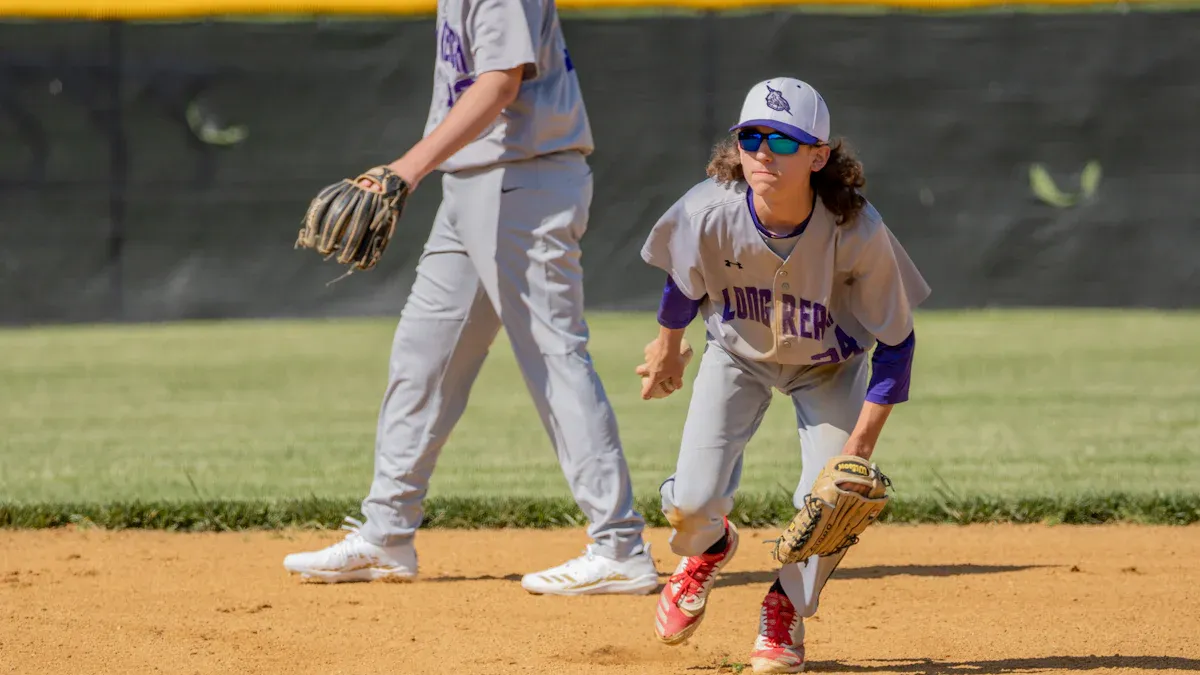
Infield defense is vital for any baseball team. Practicing specific infield drills can significantly improve your skills. Here are some effective drills to enhance your defensive abilities.
Ground Ball Techniques
Ground ball drills are essential for developing quick reactions and solid fielding techniques. Here are some recommended drills:
Charging Ground Balls: Approach the ball aggressively. This technique helps you field the ball cleanly and make strong throws.
Rapid Fire Drill: A coach rolls ground balls quickly to you. This drill enhances your reaction time, agility, and throwing accuracy under pressure.
Color Cone Fielding Drill: Set up colored cones in various positions. As you field the ball, the coach calls out a color. Sprint to the corresponding cone after fielding. This drill improves your visual processing and decision-making skills.
Regular practice of these ground ball techniques can lead to significant improvements in your fielding percentage. For instance, statistics show that players who practice ground ball drills reduce their errors per game from 2.5 to 1.2 and improve their fielding percentage from .960 to .985.
Double Play Drill
The double play drill is crucial for middle infielders. It enhances coordination and communication between players. Here’s how to execute it effectively:
Footwork Preparation: Perfect your footwork to ensure smooth transitions during the play.
Trust and Communication: Develop trust with your teammates. Clear communication is essential both on and off the field.
Refining Mechanics: Practice until your movements become second nature. This consistency leads to faster and more confident plays.
Success rates for double plays improve significantly with regular practice. Before implementing double play drills, teams often achieve a success rate of 62%. After consistent practice, this rate can rise to over 81% within a single season.
Two Hands Drill
The Two Hands Drill is vital for successful infielding. This drill emphasizes using both hands to field ground balls. By doing so, you develop soft hands and a quick transfer from glove to throwing hand. These skills are essential for making strong and accurate throws.
Incorporating the Two Hands Drill into your routine can enhance your overall fielding technique. You will notice improvements in your ability to field ground balls cleanly and make precise throws.
By practicing these infield drills regularly, you will sharpen your defensive skills and contribute significantly to your team’s success.
Outfield Defense Drills
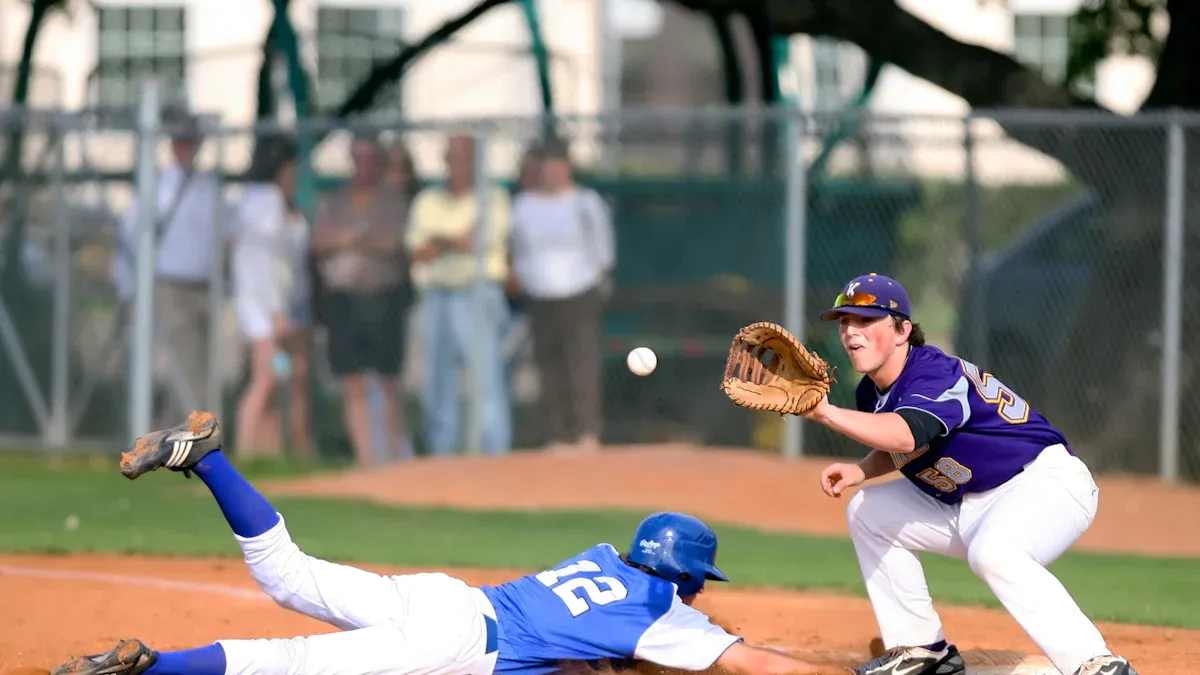
Outfield defense is crucial in baseball. You need to master catching and throwing to make impactful plays. Here are some essential drills to enhance your outfield skills.
Fly Ball Catching
Catching fly balls can be challenging. You must develop the right techniques to succeed. Here are some common mistakes and how to correct them:
Mistake | Explanation | Drill/Correction |
|---|---|---|
Camping under the ball | Outfielders catch the ball standing still or drifting back, wasting time to throw. | Move behind the ball and catch while moving forward to improve momentum for throwing. |
Making throws tough to handle | Throws are often too strong and not easy for infielders to catch, leading to missed tags. | Focus on finesse in throws, ensuring they arrive at the bag in the air or on a clean hop. |
Too quiet | Center fielders need to communicate effectively with teammates to provide crucial game information. | Be vocal on the field, sharing information about batters and runners to enhance team performance. |
Relying too much on arm strength | Some outfielders neglect footwork due to confidence in their arm strength, leading to poor technique. | Emphasize proper footwork and technique in practice to complement arm strength. |
Slow to read swings | Difficulty in anticipating where balls will be hit, especially when slicing towards the foul line. | Study batter swings to improve anticipation and get better jumps on balls. |
Too timid | Center fielders must be aggressive and confident to cover ground effectively. | Develop a fearless approach to catching balls in their territory. |
Too lazy during batting practice | Not taking practice seriously leads to missed opportunities to improve catching skills. | Treat batting practice like a game, focusing on catching every fly ball to build confidence. |
Practicing fly ball catching drills helps you improve your performance in high-pressure situations. You will rely on instinct rather than conscious processing, which enhances your automatic responses. Consistent practice allows you to make real-time adjustments, crucial for handling challenging scenarios.
Crow Hop Technique
The crow hop technique is essential for outfielders. This technique helps you generate momentum before throwing. Here’s how to execute it:
Field the Ball: As you catch the ball, position your body to prepare for the throw.
Take a Step Back: Step back with your non-throwing foot to create space for the crow hop.
Jump Forward: Push off with your back foot and jump forward, transferring your weight to your throwing side.
Follow Through: Complete your throw with a strong follow-through to ensure accuracy.
Incorporating the crow hop into your routine enhances your throwing distance and accuracy. You can set up targets to improve your arm strength and precision. Aim to hit the targets consistently to see improvement.
Track and Catch Drill
The track and catch drill is vital for developing your tracking skills. This drill helps you follow the ball from the release point to the hitting zone. Here’s how to perform it:
Positioning: Stand in a ready position, facing the batter.
Tracking: As the batter swings, focus on the ball and move your feet to track its path.
Catch: Use proper catching techniques to secure the ball.
This drill promotes proper torso movement, which is crucial for young players. It addresses common issues like pulling the head out during a swing by emphasizing correct torso tilt. Regular practice of the track and catch drill can lead to significant improvements in your catching success rates.
By incorporating these outfield drills into your training, you will sharpen your defensive skills and become a more effective player on the field.
Teamwork and Defense Drills
Effective teamwork is essential in baseball. You must communicate well with your teammates to execute plays successfully. Teamwork and defense drills help you develop these skills. Here are some key drills to enhance your teamwork on the field.
Cutoff and Relay
The Cutoff and Relay drill is vital for improving transitions from the outfield to the infield. This drill teaches you the importance of positioning and quick decision-making. You will learn to throw the ball one base ahead of the lead runner. Outfielders should aim for a chest-high throw that infielders can easily catch. Effective communication is crucial. Call out whether to cut the throw or let it go through. Practicing these skills leads to stronger, more accurate throws, which are essential for preventing runners from advancing.
Situational Awareness
Situational awareness is fundamental to your baseball IQ. It involves being aware of game situations, such as the number of outs and runner positions. Players with high situational awareness can anticipate plays and make quicker decisions. Here are some effective drills to enhance your situational awareness:
Drill Name | Description |
|---|---|
Situational Defense Drill | Engage in live scenarios to improve decision-making during defensive plays. |
Cutoff & Relay Game | Focus on decision-making during relay throws, incorporating competition to enhance situational responses. |
Rundown Practice | Emphasize angles, timing, and communication in rundown scenarios to minimize mental mistakes. |
By practicing these drills, you will adapt your strategies dynamically, ensuring effective defensive plays even under pressure.
Kick the Can Drill
The Kick the Can Drill is a fun way to improve communication and teamwork. In this drill, players must work together to “kick the can” while maintaining awareness of their surroundings. This drill encourages players to call out plays and support each other. You will learn to react quickly and make decisions based on the game context. Tracking your performance during this drill helps you identify areas for improvement.
Incorporating these teamwork and defense drills into your practice routine will sharpen your skills and enhance your overall performance on the field.
Incorporating defensive drills into your training routine is essential for improving your skills on the field. Regular practice not only boosts your hand-eye coordination but also enhances your footwork and quick thinking. Consistent repetition of these drills builds confidence and helps you react instinctively during games. Remember, practicing at game speed is crucial for transferring skills to real-game situations. Make these drills a part of your routine, and watch your defensive performance soar!
FAQ
What are the benefits of practicing defensive drills?
Practicing defensive drills improves your reaction time, hand-eye coordination, and overall fielding skills. Regular practice builds confidence and helps you make quick decisions during games.
How often should I practice defensive drills?
Aim to practice defensive drills at least 2-3 times a week. Consistency is key to developing your skills and enhancing your performance on the field.
Can I practice defensive drills alone?
Yes, many defensive drills can be done solo. For example, you can practice ground balls or fly balls using a wall or a rebounder to improve your skills.
What equipment do I need for defensive drills?
Basic equipment includes a glove, baseballs, and a bat. You may also want cones for positioning drills and targets for throwing accuracy.
How can I track my progress in defensive drills?
Keep a journal to record your practice sessions, noting improvements and areas for growth. You can also ask a coach or teammate for feedback on your performance.