Book Appointment Now

How to Fit Your Sports Gear for Maximum Comfort and Support
When you fit your sports gear properly, you boost your performance and lower your risk of injuries. A snug fit provides the comfort and support you need during intense workouts. Did you know that nearly 50% of athletes suffer injuries from poorly fitting equipment? This can lead to discomfort and hinder your endurance training. So, take a moment to assess how well you fit your sports gear. Making a few adjustments can make all the difference. Remember, a proper fit not only enhances your experience but also helps you reach your full potential.
Key Takeaways
Properly fitting sports gear boosts performance and reduces injury risk. Take time to assess your gear for a snug fit.
Understanding body mechanics helps you choose ergonomic gear. This enhances comfort, control, and efficiency during workouts.
Select breathable fabrics for your sports gear. Moisture-wicking materials keep you cool and dry, improving your overall comfort.
Always check sizing charts and try on gear before buying. Accurate measurements ensure the best fit and prevent discomfort.
Avoid common fitting mistakes like overlooking size and ignoring comfort. These can hinder your performance and lead to injuries.
Ergonomics
Body Mechanics
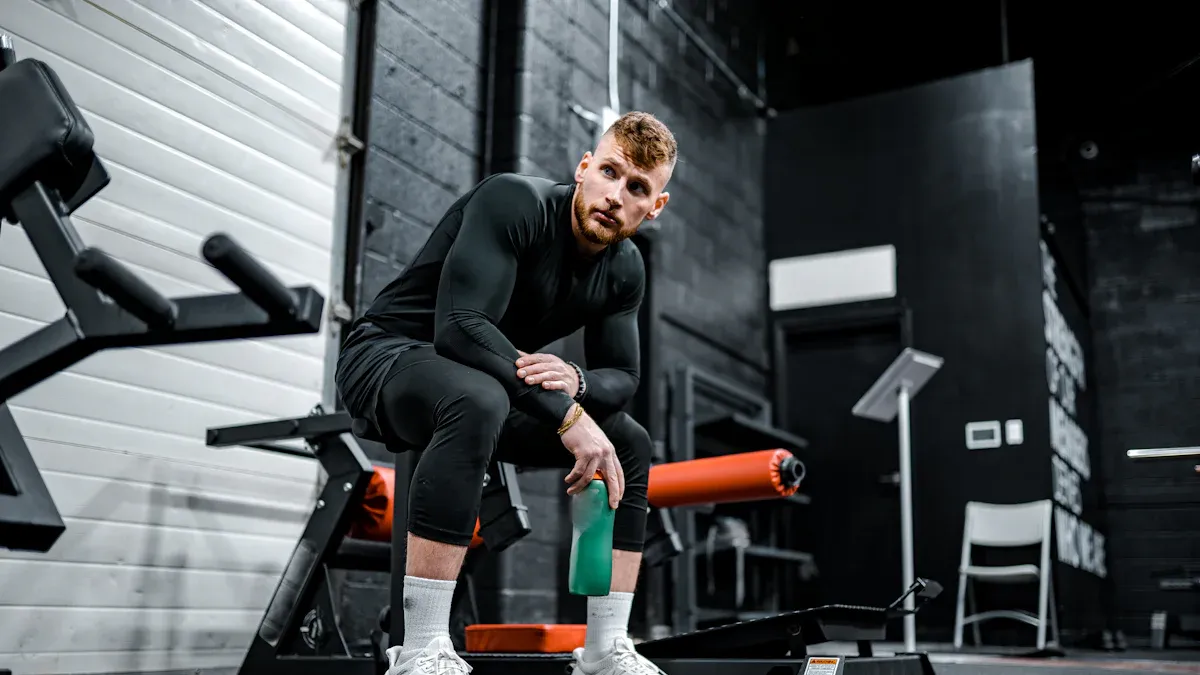
Understanding body mechanics is essential when fitting your sports gear. Ergonomics focuses on designing equipment that aligns with your body’s natural movements. This alignment enhances comfort, control, and efficiency, all of which are vital for your athletic performance. Here are some key principles to consider:
Ergonomic designs fit well with the human body.
They improve comfort and reduce fatigue during workouts.
Properly fitted gear can help you maintain better posture and form.
When you wear gear that respects your body mechanics, you can move more freely and effectively. This means you can push your limits without worrying about discomfort or strain.
Injury Prevention
Injury prevention is another critical aspect of ergonomics in sports gear. When your equipment fits correctly, it can significantly reduce the risk of musculoskeletal injuries. Here’s how ergonomic design helps:
Comprehensive Understanding of Athlete Anatomy and Biomechanics: Gear should respect your natural joint ranges and evenly distribute mechanical loads. For instance, advanced running shoes absorb impact forces at key areas like the heel and forefoot, protecting your ankles, knees, and hips.
Strategic Material Selection for Safety, Comfort, and Durability: Lightweight yet durable materials provide protection without hindering your performance. Effective shock absorption dampens impact forces, reducing joint wear.
Ergonomics-Driven Fit and Form: Your gear must fit securely without restricting movement. This prevents blisters and pressure points, enhancing energy transfer and lowering injury risk.
Recent innovations in ergonomic sports gear focus on enhancing fit and comfort. Tailored designs follow your body’s natural contours, while seamless splicing technology reduces friction points. These advancements optimize your performance and help you stay injury-free.
By prioritizing ergonomics in your sports gear, you can enjoy a more comfortable and supportive experience, allowing you to focus on achieving your best performance.
Material Selection
Breathability
When you choose sports gear, breathability is key. Breathable fabrics allow air to flow, keeping you cool and comfortable during workouts. Moisture-wicking materials pull sweat away from your skin, helping you stay dry. This is especially important during intense activities when overheating can be a concern.
Here’s a quick look at the benefits of breathable fabrics:
Benefit | Explanation |
|---|---|
Thermoregulation | Moisture-wicking fabrics help cool your body efficiently by promoting sweat evaporation. |
Comfort | These fabrics keep your skin dry, reducing discomfort during workouts. |
Research shows that breathable materials enhance thermoregulation and comfort, which are crucial for athletes. According to a review, effective moisture management can significantly improve your performance and enjoyment during exercise.
Comfort Fabrics
The right choice of materials can make a huge difference in your comfort and support. Fabrics like polyester and nylon are popular for their durability and moisture-wicking properties. They handle wear and tear well, making them ideal for high-intensity sports. On the other hand, natural fabrics like cotton and wool offer comfort but may absorb moisture, leading to discomfort during workouts.
Here are some features to consider when selecting comfort fabrics:
Durable Construction: Fabrics like polyester and nylon are designed for longevity, perfect for activewear.
Lightweight and Stretchy: These materials provide comfort and allow for unrestricted movement.
Antimicrobial Properties: Some fabrics resist bacteria, improving hygiene during physical activities.
A recent study found that garments made from 100% wool enhance thermal comfort for outdoor sports. Wool adapts to body temperature changes, keeping you comfortable during various activities.
By selecting the right materials, you can ensure your sports gear provides the comfort and support you need to perform at your best.
Fit Your Sports Gear
Adjustments
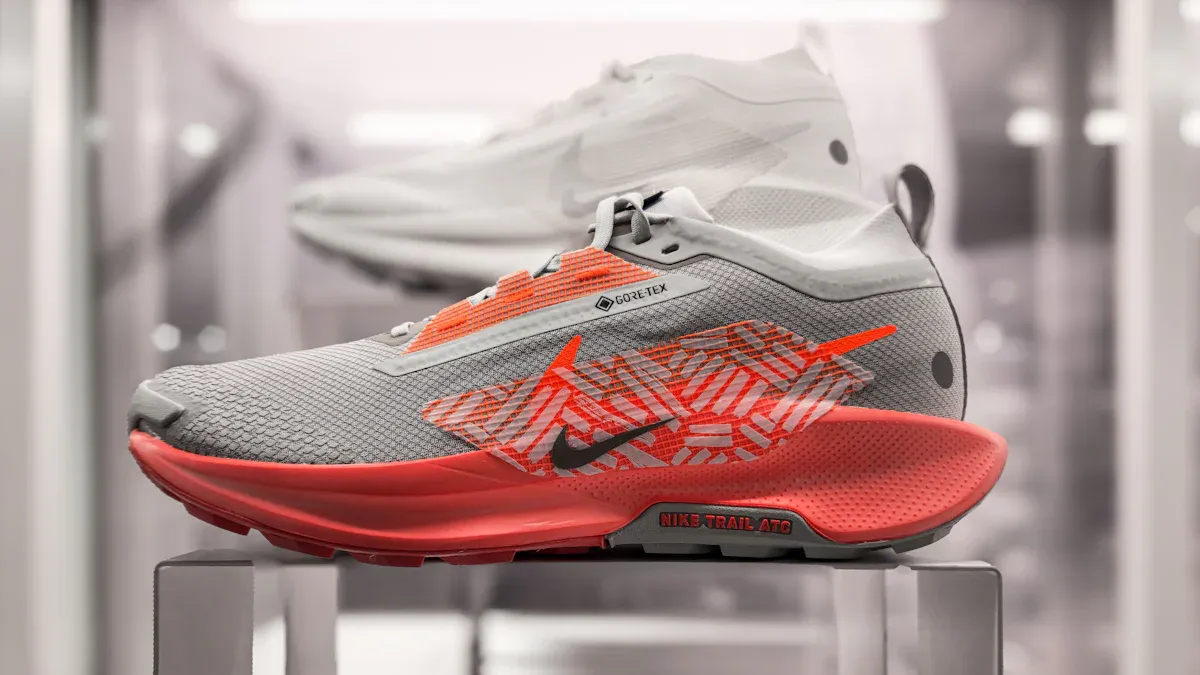
Getting the right fit for your sports gear often requires some adjustments. Here are some effective methods to help you achieve that perfect fit:
Fit and Comfort: Always ensure your equipment fits properly. This avoids discomfort and enhances performance.
Weight Adjustments: If your gear allows, adjust the weight to improve speed or build strength based on your sport.
Grip and Control: Customize grips on your equipment for better handling and technique.
Aerodynamics: Opt for streamlined designs and materials to reduce drag and improve efficiency.
Integrating ergonomic design principles into your sports gear is crucial. This approach enhances both your athletic performance and comfort. Understanding your body’s anatomy and biomechanics helps create gear that fits naturally, improves efficiency, and minimizes injury risk.
Sizing Tips
Choosing the right size is essential for maximizing your performance and comfort. Here are some tips to help you get the size right:
Know Your Measurements: Take accurate measurements of your body. This includes your chest, waist, hips, and inseam. Use these measurements to compare against sizing charts provided by brands.
Try Before You Buy: Whenever possible, try on gear before purchasing. Walk, jump, or move around to ensure it feels comfortable and allows for full range of motion.
Check Brand Sizing: Different brands may have different sizing standards. Refer to their specific sizing charts to find the best fit.
Consider Layering: If you plan to wear layers underneath your gear, account for that when selecting your size. You want enough room for movement without being too loose.
Youth vs. Adult Sizes: If you’re buying for a child, remember that youth sizes differ from adult sizes. Youth gear is designed with growing bodies in mind, featuring shorter lengths and wider chest areas for movement.
Here’s a quick reference table for sizing guidelines across various brands:
Brand | Women’s Clothing Size | Bra Sizes | Men’s Clothing Size |
|---|---|---|---|
Oiselle | xs to 3x | 28-42, A-D | N/A |
Athleta | xxs to 3x | 30-44, A-DD | N/A |
Old Navy Activewear | xs to 3x (Tall) | 30-50, A-DDD | xs to 3x |
Superfit Hero | Large to 7x | Large to 7XL | N/A |
Girlfriend Collective | xxs to 6x | xxs to 6x (29-60.5) | N/A |
Fabletics | xs to 4x | xxs-4x (29-50) | xs to 4x |
Yitty | xs to 6x | xs to 6x (30-60.5) | N/A |
Nike | xs to 4x | 30-36, A-G | N/A |
By following these tips and understanding the importance of proper sizing, you can significantly enhance your performance and reduce the risk of injuries. Remember, ill-fitting gear can lead to discomfort and distraction, negatively affecting your athletic performance. So, take the time to fit your sports gear correctly!
Compression Clothing
Benefits of Compression
Compression clothing has gained popularity among athletes and fitness enthusiasts for good reason. These garments offer several benefits that can enhance your performance and recovery. Here’s what you can expect when you wear compression gear:
Muscle Support: Compression clothing provides support to your muscles, which can help reduce muscle strain during workouts. Research shows that runners wearing compression clothing experienced significantly less muscle pain and soreness after their runs. This means you can push harder without worrying about excessive fatigue.
Improved Recovery: After intense exercise, your body needs to recover. Compression clothing enhances post-exercise recovery by improving blood flow and reducing swelling. This helps minimize muscle damage and inflammation, allowing you to bounce back faster. Many athletes report feeling less sore after using compression gear.
Increased Circulation: Wearing compression garments can enhance circulation, which is crucial for delivering oxygen to your muscles. This increased circulation can lead to better performance during your workouts. Compression apparel may also enhance body awareness, helping you maintain better posture and movement control.
Versatile Use: Compression clothing comes in various forms, including compression shirts, pants, shorts, and socks. Each type serves a specific purpose, whether it’s providing support for your core, reducing muscle oscillation, or aiding in recovery.
Getting the Fit Right
To reap the full benefits of compression clothing, you need to get the fit right. Here are some tips to help you choose the right compression clothes:
Know Your Measurements: Measure your body accurately, especially the areas where you plan to wear compression gear. This includes your limbs and torso. Use these measurements to compare with the sizing charts provided by manufacturers.
Choose the Right Compression Class: Different activities may require different levels of compression. For example, if you’re running, you might want compression socks that provide targeted support for your calves. If you’re lifting weights, consider compression shorts or pants that support your thighs and hips.
Comfort is Key: While compression is important, comfort should not be compromised. If a garment feels too tight or restrictive, it can hinder your performance. Conversely, if it’s too loose, it won’t provide the necessary support. Aim for a snug fit that allows for movement without discomfort.
Reassess Regularly: Your body changes over time, especially if you’re training hard. Re-measure every four to six months to ensure your compression clothing still fits correctly. This will help maintain the effectiveness of the compression.
Consider Activity-Specific Needs: Different sports may require different types of compression garments. For instance, basketball players often use compression arm sleeves for muscle support, while runners typically prefer compression socks for recovery. Choose compression clothes that align with your specific activity.
By understanding the benefits of compression clothing and ensuring you get the fit right, you can enhance your workouts and recovery. Whether you’re hitting the gym or going for a run, the right compression gear can make a significant difference in your performance.
Common Fitting Mistakes
Overlooking Size
One of the biggest mistakes you can make when fitting your sports gear is overlooking size. Many athletes grab the first item they see without checking if it fits properly. This can lead to several issues:
Ill-fitting sports gear can lead to discomfort.
It can hinder your performance.
There is an increased risk of injury.
To avoid these problems, always refer to sizing charts and take accurate body measurements. Remember, sizes can vary between brands, so don’t assume you wear the same size everywhere.
Here are some tips to help you get the right size:
Measure Yourself: Take measurements of your chest, waist, hips, and inseam. Use these numbers to find the best fit.
Try It On: Whenever possible, try on gear before buying. Move around to see how it feels.
Check Brand Sizing: Different brands have different sizing standards. Always check their specific charts.
Ignoring Comfort
Another common mistake is ignoring comfort. You might think that as long as your gear fits, it’s good enough. But comfort plays a huge role in your performance. If your gear is uncomfortable, it can distract you and affect your workout.
Here’s how to ensure your gear is comfortable:
Choose the Right Fabric: Look for breathable and moisture-wicking materials. These fabrics help regulate body temperature and keep you dry.
Consider Fit Preferences: Everyone has different comfort levels. Some prefer a snug fit, while others like a looser style. Find what works for you.
Don’t Rush: Take your time when selecting gear. Trying on different styles can help you find what feels best.
By avoiding these common fitting mistakes, you can enhance your performance and enjoy your workouts more. Remember, the right size and comfort level can make all the difference in your athletic journey!
Fitting your sports gear properly is crucial for comfort and support. When you take the time to evaluate your gear, you can significantly enhance your performance and enjoyment. Here are some key takeaways to remember:
Shoe Fit Aspect | Why It Matters |
|---|---|
Toe Box Space | Prevents cramps, blisters, and bone deformities. |
Width and Length | Ensures that the foot does not slide and cause friction. |
Arch Support | Reduces the risk of flat feet and related pains. |
Heel Snugness | Prevents overpronation or supination, protecting ankles. |
By regularly assessing your gear, you can enjoy benefits like improved comfort, better mobility, and reduced injury risks. So, don’t hesitate to make those necessary adjustments.
