Book Appointment Now

How to Improve Basketball Ball Handling for All Positions
Ball handling is crucial in basketball, regardless of your position on the court. Whether you are a guard, forward, or center, excellent ball handling skills can elevate your game and help you improve basketball handling. Improved basketball handling leads to measurable benefits such as enhanced shooting efficiency and quicker decision-making. You will notice better passing accuracy and improved situational awareness, which are vital for both offensive and defensive plays. By focusing on your ability to improve basketball handling, you can significantly enhance your overall performance and impact on the game.
Key Takeaways
Ball handling is essential for all basketball positions. It enhances shooting efficiency and decision-making.
Practice foundational drills like stationary dribbling and two-ball dribbling to build control and confidence.
Incorporate position-specific techniques to maximize effectiveness. Guards, forwards, and centers each have unique skills to develop.
Consistent practice leads to measurable improvement. Aim for three to four sessions per week to see results.
Focus on all aspects of ball handling, including passing and decision-making, to become a well-rounded player.
Ball Handling
Definition and Importance
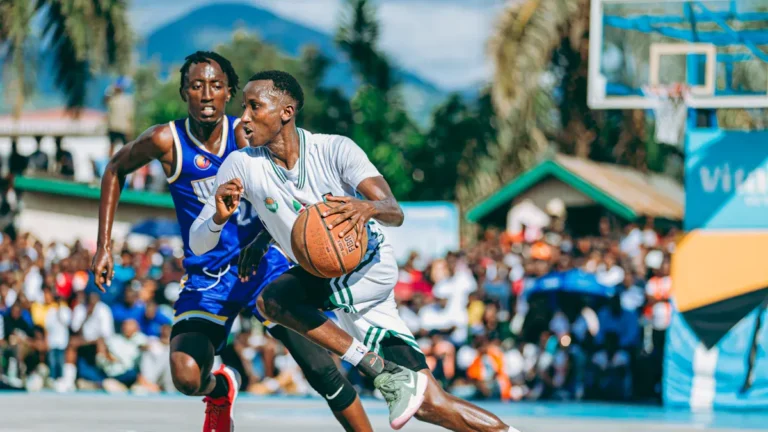
Ball handling is the most fundamental skill set involved in basketball. It refers to how you control the ball while dribbling, passing, and shooting. Effective ball handling allows you to navigate through defenders, create scoring opportunities, and maintain possession. When you improve basketball handling, you enhance your overall game.
The significance of ball handling extends beyond just keeping the ball away from opponents. It plays a crucial role in your performance at all levels of competition. Here’s a quick look at how ball handling impacts your game:
Skill Type | Performance Metrics | Competitive Level Differentiation |
|---|---|---|
Dribbling Speed | Successful 2-point shots, accurate passes | Higher-level players excel |
Maneuver Dribbling | Defensive sliding, 10 and 20 m dribbling | HL group outperforms LL group |
Technical Skills | Shooting, passing, dribbling | Key differentiators between levels |
Skills for Effective Handling
To master ball handling, you need to develop several key skills. These skills not only improve your dribbling skills but also enhance your decision-making on the court. Here are some essential skills for effective ball handling:
Strong ball control enables quicker decision-making.
Composure under pressure is enhanced.
Unlocks unique scoring and playmaking opportunities.
Additionally, focus on these specific techniques:
Dribbling with both hands.
Protecting the ball under pressure.
Changing speed and direction.
Creating space to pass or shoot.
By honing these skills, you can significantly reduce turnovers and increase your scoring opportunities. Studies show that players who practice in game-like situations develop better decision-making skills. For example, drills that simulate real scenarios lead to higher pass success rates and improved decision quality.
Improving your ball handling is essential for becoming a well-rounded player. As you work on these skills, you will notice a positive impact on your overall performance in basketball.
Key Ball Handling Drills
Beginner Drills
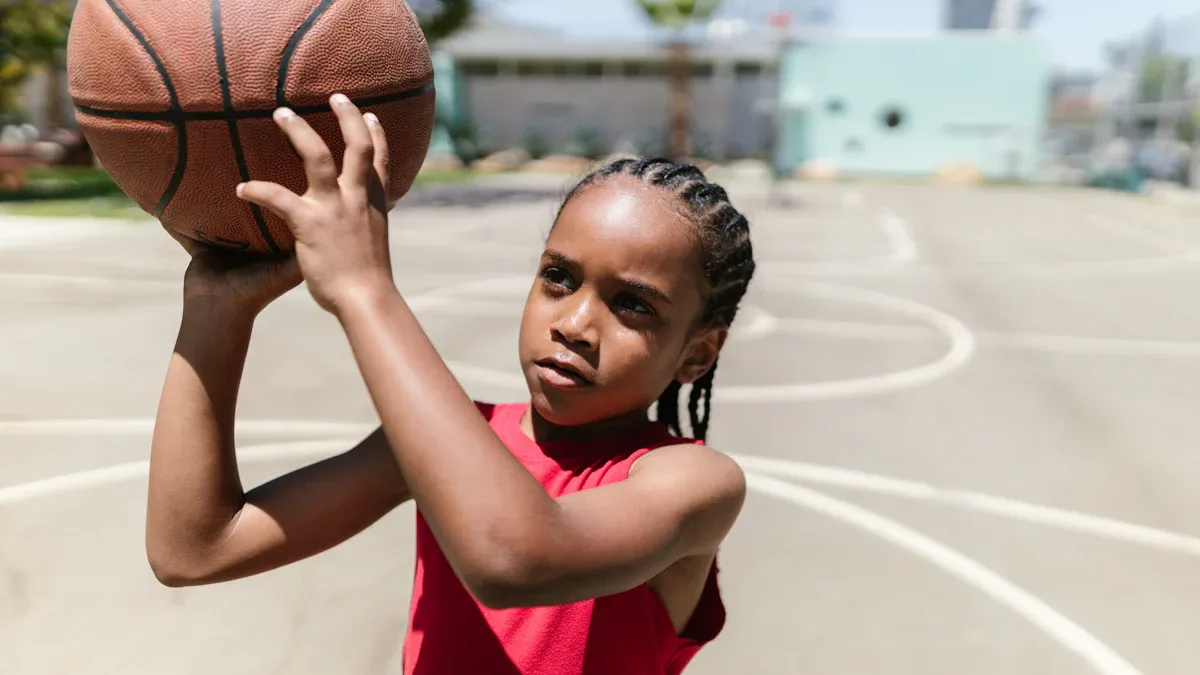
As a beginner, you should focus on foundational ball handling drills. These drills help you develop control and confidence with the basketball. Here are some effective beginner drills:
Stationary Dribbling: This drill refines your control and encourages you to practice with both hands. Start by dribbling the ball in place, alternating between your dominant and non-dominant hand.
Two-Ball Dribbling: This drill enhances your coordination. Dribble two balls simultaneously, one with each hand. This exercise improves your overall ball control.
Cone Dribbling: Set up cones in a straight line. Dribble around them to improve your navigation skills. This simulates real-game scenarios against defenders.
Change of Pace Dribbling: Practice varying your speed while dribbling. This technique creates opportunities against defenders by keeping them guessing.
Reaction Drills: Work with a partner who will apply defensive pressure. This drill enhances your ability to maintain control under duress.
Off-Hand Development: Spend time focusing on your non-dominant hand. This increases your versatility and unpredictability in ball handling.
Passing Drills: Incorporate various types of passes into your routine. This develops your overall playmaking ability.
To see measurable improvement, practice these ball handling drills three to four times per week. Consistent effort leads to better performance. Celebrate small improvements to keep yourself motivated.
Intermediate Drills
Once you feel comfortable with the basics, you can move on to intermediate drills. These drills build on your foundational skills and introduce more complexity. Here are some recommended drills:
Drill Type | Description |
|---|---|
Stationary Dribbling Drills | Great for warm-up and introducing new skills, allowing for high repetitions. |
Dribbling Drills on the Move | Simulates game situations by incorporating movement and challenges. |
Game Based Dribbling Drills | Simulates game scenarios with defenders, essential for developing real-game skills. |
Studies show that players who practiced these intermediate drills three times a week for 60 minutes saw significant improvements in dribbling, shooting, and passing. The results were statistically significant, highlighting the effectiveness of consistent practice.
Advanced Drills
For advanced players, mastering ball handling is crucial for creating space and breaking down defenders. Here are some advanced drills to consider:
One-on-One Situations: Practice against a defender to simulate game pressure. This helps you develop your ability to make quick decisions.
Dribble Moves: Work on advanced dribble moves like crossovers, behind-the-back, and spin moves. These techniques enhance your ability to evade defenders.
Full-Court Dribbling: Dribble the length of the court while maintaining control. This drill builds stamina and ball handling under fatigue.
Pressure Situations: Create scenarios where you must make quick decisions under pressure. This enhances your confidence to make plays during critical moments.
Mastering these advanced ball handling drills minimizes turnovers and boosts your confidence. Improved ball handling leads to better performance during games, allowing you to maintain possession and create scoring opportunities.
Position-Specific Ball Handling Techniques
Guards
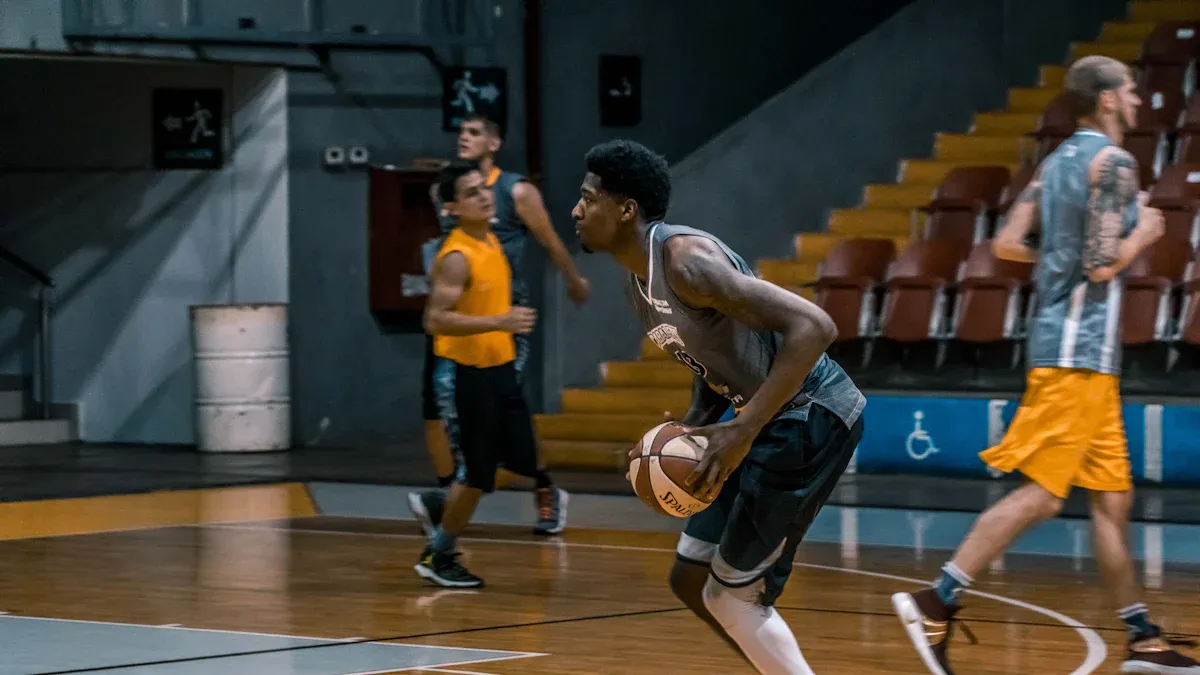
As a guard, your primary role involves creating scoring opportunities and facilitating plays. To improve basketball handling, focus on these essential techniques:
Pound Dribble Drill: This drill helps you maintain dribbling control under pressure. One player dribbles while another tries to disrupt their control, simulating game situations.
Scissor Drill: Dribble between your legs while passing to a partner. This enhances coordination and allows you to dribble without looking down.
Handle & Footwork Drill: Combine footwork with ball handling. This teaches you to make quick stops and transitions while dribbling, essential for navigating defenses.
Guard Crawls: Simulate dribbling against a pressing defender. This drill develops your ability to maneuver through defensive pressure.
Drill Name | Description |
|---|---|
Pound Dribble Drill | Dribble while another player tries to disrupt your control. |
Scissor Drill | Dribble between your legs while passing to a partner. |
Handle & Footwork Drill | Combine footwork and ball handling for quick stops and transitions. |
Guard Crawls | Simulate dribbling against a pressing defender. |
Forwards
Forwards play a crucial role in both scoring and rebounding. To maximize your effectiveness, focus on these techniques:
Post Move Video: Master basic post dribbling techniques for effective scoring.
Game-like Practice: Engage in competitive situations with defenders to enhance your skills.
Simple Moves: Emphasize the effectiveness of fundamental moves over flashy techniques.
Technique/Drill | Description |
|---|---|
Post Move Video | Focus on mastering basic post dribbling techniques for effective scoring. |
Game-like Practice | Practice ball handling in competitive situations with defenders. |
Simple Moves | Emphasize the effectiveness of simple, fundamental moves. |
Centers
Centers often focus on rebounding and scoring in the paint. While ball handling may not be your primary skill, improving it can enhance your overall game. Here are some techniques:
Backdown Dribbles: Use fundamental backdown dribbles to score effectively without complex moves.
Competitive Drills: Engage in drills designed to improve ball handling in game-like scenarios.
Technique/Drill | Description |
|---|---|
Backdown Dribbles | Utilize fundamental backdown dribbles for effective scoring. |
Competitive Drills | Engage in drills designed to improve ball handling in game-like scenarios. |
Improving your ball handling as a center can lead to increased scoring opportunities and assists. Focus on these techniques to enhance your overall performance on the court.
Common Misconceptions in Ball Handling
Myth 1: Only Guards Need Ball Handling Skills
Many players believe that only guards need strong ball handling skills. This myth can limit your development as a player. In reality, every position on the court benefits from improved ball handling. Centers and forwards can create scoring opportunities and enhance their overall game by mastering these skills.
“You play the game 94 feet, and you have to be able to operate successfully in every part of the floor… If you can only do one thing, you don’t come to the arena with a well-packed suitcase of complete skills. You’re deficient in an area.” This quote emphasizes the importance of being a complete player, regardless of your position.
Improving your ball handling allows you to navigate through defenses and create open looks for teammates. Studies show that players with strong non-dominant hands often perform better due to improved coordination and reaction time. This versatility can lead to better overall game statistics.
Myth 2: Ball Handling is Just About Dribbling
Another common misconception is that ball handling only involves dribbling. While dribbling is a key component, effective ball handling encompasses much more. It includes passing, catching, and decision-making.
Here are some aspects that contribute to effective ball handling:
Aspect | Contribution to Ball Handling |
|---|---|
Passing | Enables effective ball movement and team coordination. |
Decision-Making | Helps players make quick, strategic choices under pressure. |
Tactical Awareness | Assists in recognizing defensive pressure and maintaining possession. |
Ball handling is a problem-solving activity that requires you to respond to environmental cues. Practicing in low-context environments can create ineffective training situations. This disconnect may lead you to believe you have developed your skills, only to struggle during actual games.
To truly improve your ball handling, focus on integrating all aspects of the game. This approach will prepare you for the dynamic nature of basketball and enhance your overall performance.
Improving your ball handling skills requires consistent practice. Regularly engaging in drills enhances your dexterity and control. This leads to better performance under pressure and boosts your confidence during games. Research shows that daily practice, even for short durations, significantly improves your skills over time.
Incorporate the drills and techniques discussed in this blog into your training routine. Focus on both stationary and dynamic exercises. By doing so, you will develop muscle memory and improve your overall basketball IQ. Remember, every bit of practice counts towards your growth as a player.
“Success in basketball comes from hard work and dedication.”
Stay committed, and you will see the results on the court!
FAQ
What is the best way to practice ball handling at home?
You can practice ball handling at home using a basketball and a small space. Focus on stationary dribbling, two-ball drills, and passing against a wall. Consistent practice for 15-30 minutes daily will improve your skills.
How long does it take to improve ball handling skills?
Improvement varies by individual. With regular practice, you may notice progress in 4-6 weeks. Consistency and dedication are key. Focus on drills that challenge you and track your progress to stay motivated.
Can I improve my ball handling without a coach?
Yes, you can improve your ball handling independently. Utilize online resources, videos, and tutorials to learn new drills. Set specific goals and practice regularly to develop your skills effectively.
Are there specific drills for different positions?
Absolutely! Each position benefits from tailored drills. Guards should focus on quick dribbling and passing, while forwards and centers can work on post moves and ball control under pressure. Adapt your practice to your role on the team.
How important is footwork in ball handling?
Footwork is crucial for effective ball handling. Good footwork helps you maintain balance, change direction quickly, and create space. Incorporate footwork drills into your routine to enhance your overall ball handling skills.