Book Appointment Now

Key Basketball Skills Every Player Should Master
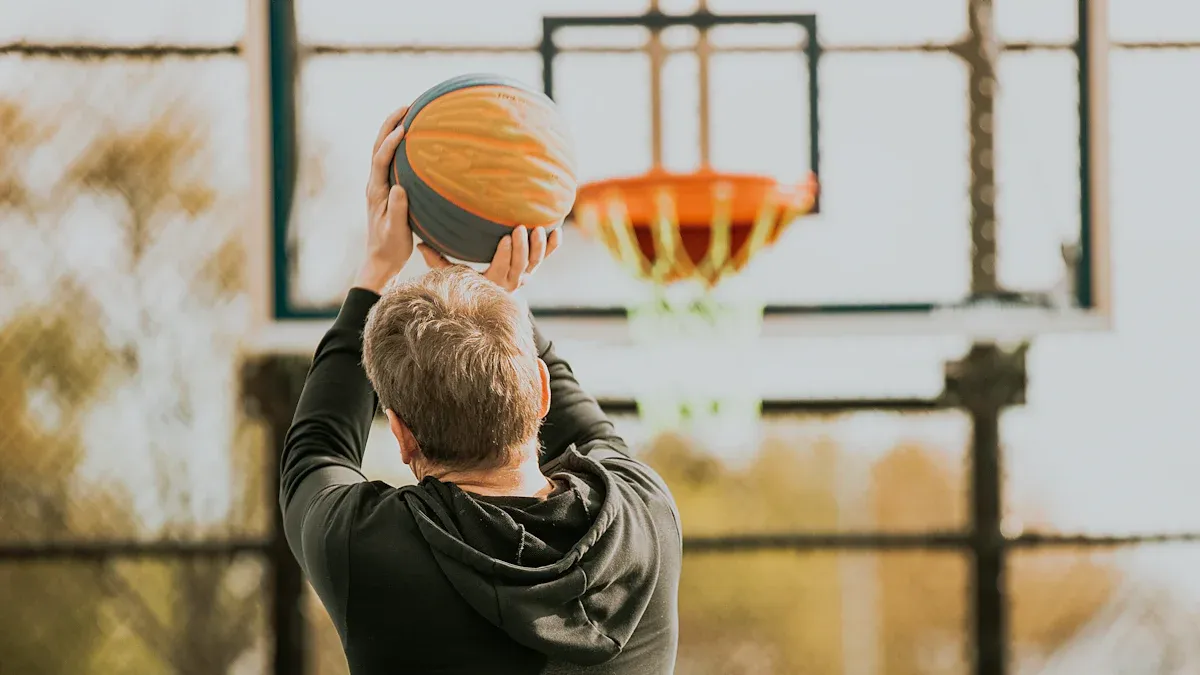
Basketball isn’t just about running up and down the court; it’s about mastering the skills that make you a better player. When you focus on these basketball skills, you not only improve your performance but also enhance your enjoyment of the game. Think about it—what specific skills do you need to be successful on the court? Whether you’re a beginner or an advanced player, understanding the core skills can set you up for long-term success in basketball.
Dribbling Skills
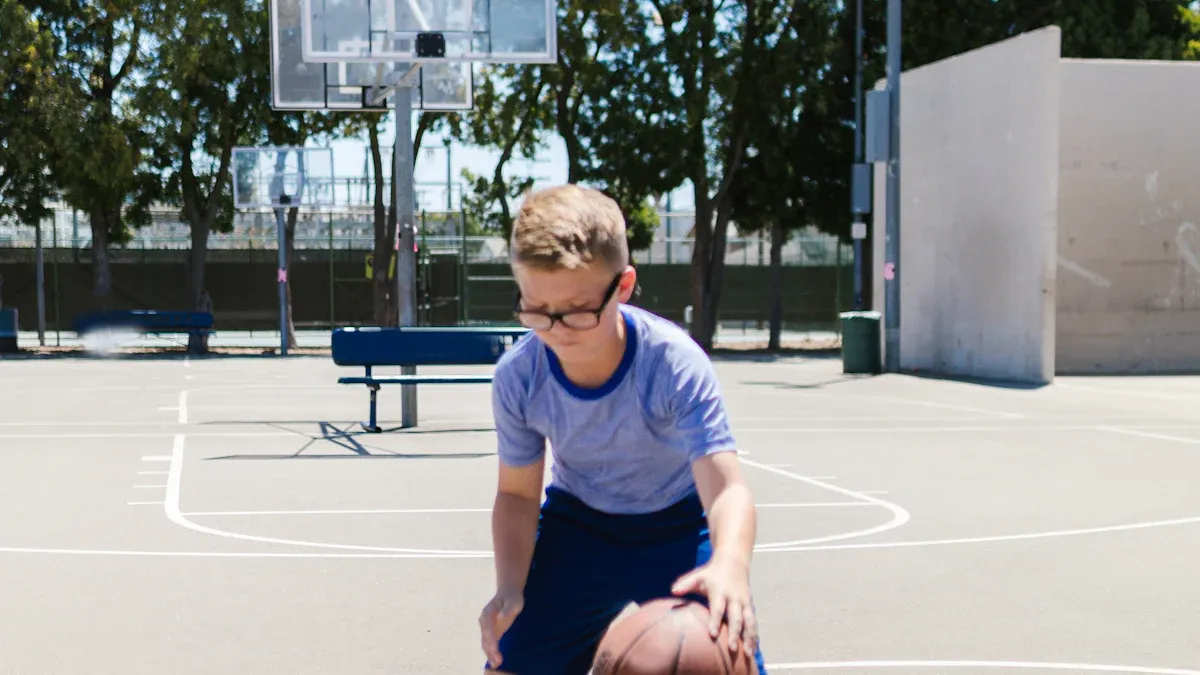
Importance of Ball Handling
Ball handling is one of the most crucial skills in basketball. It allows you to control the game and make plays that can change the outcome. When you handle the ball well, you can react quickly to what’s happening on the court. This skill helps you break down defenders one-on-one and creates opportunities for your teammates. Here are some key reasons why effective ball handling matters:
Better Game Control: You can dictate the pace of the game.
Increased Success: Effective ball handling leads to more successful plays.
Improved Decision-Making: It enhances your basketball IQ, allowing you to read the game better.
When you master dribbling, you not only improve your individual performance but also contribute significantly to your team’s success. In fact, studies show that poor dribbling skills are a major cause of turnovers, especially among younger players. If you find yourself making the same mistakes, it’s time to focus on improving your basic skills.
Tips for Improvement
Improving your dribbling skills takes practice and dedication. Here are some effective tips to help you enhance your ball handling:
Practice with Both Hands: Spend time dribbling with your weak hand. This will make you a more versatile player.
Use Dribbling Drills: Incorporate drills like the ‘Two-Ball Dribbling’ exercise. This drill helps improve coordination and weak-hand control. Start with stationary dribbles and progress to zig-zag patterns to challenge yourself.
Simulate Game Conditions: During practice, try to mimic game situations. This includes dribbling under pressure and making quick decisions. High-intensity drills can help you maintain control while fatigued.
Focus on Footwork: Good footwork is essential for effective dribbling. Work on your stance and movement to create space from defenders.
Timeframe | Improvement Description |
|---|---|
3-4 weeks | Players notice tangible improvements with consistent practice. |
2-3 months | Significant improvement that translates into game situations. |
By consistently practicing these techniques, you’ll see noticeable improvements in your dribbling skills. Remember, the more you practice, the better you’ll become!
Shooting Fundamentals
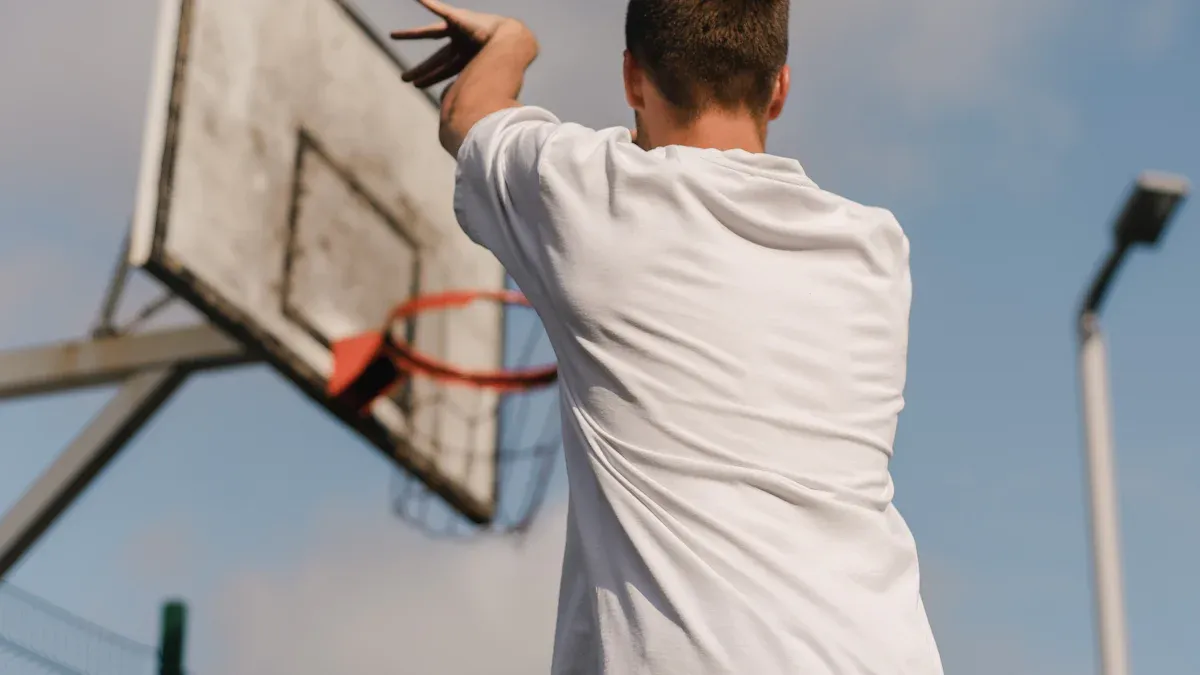
Shooting is a critical skill in basketball. It can make or break your game. When you shoot well, you increase your chances of scoring and help your team win. Think about it: every point counts, and mastering your shooting fundamentals can elevate your performance on the court.
Types of Shots
There are several types of shots you should practice to become a well-rounded shooter. Here’s a list of the most common shots used in professional basketball games:
Layup
Jump shot
Free throw
Three-point shot
Hook shot
Dunk
Fadeaway
Bank shot
Floater
Tip-in
Each shot has its own purpose and situation where it shines. For example, a layup is a close-range shot often taken while driving toward the basket. It’s a high-percentage shot, especially during fast breaks. On the other hand, a three-point shot can change the momentum of a game, but it requires more precision and practice.
Techniques for Accuracy
To improve your shooting accuracy, focus on these key techniques:
Proper Stance: Start with your feet shoulder-width apart. This gives you a stable base. Bend your knees slightly and keep your weight balanced.
Hand Placement: Your shooting hand should be under the ball, while your guide hand should be on the side. This helps you control the shot.
Follow Through: After releasing the ball, extend your shooting arm and snap your wrist. This motion helps with accuracy and gives the ball a better chance of going in.
Remember, practicing shooting is essential. Incorporate structured shooting drills into your routine. For instance, set aside time to practice free throws and jump shots from different spots on the court.
Research shows that shot selection significantly affects scoring efficiency. Optimal strategies can lead to higher scoring outcomes, which can even translate to more wins in a season. So, when you practice, focus on taking quality shots rather than just shooting frequently.
To sum it up, mastering your shooting fundamentals can greatly impact your game. By practicing various shooting techniques and understanding shot selection, you’ll become a more effective player.
Passing Techniques
Importance of Teamwork
Passing is the heartbeat of basketball. It’s not just about getting the ball to your teammate; it’s about creating opportunities and building trust. When you pass effectively, you enhance your team’s chemistry. This teamwork leads to higher assist rates, which can significantly impact the game. Here’s why teamwork in passing matters:
Assists symbolize trust between players.
Effective ball movement relies on communication.
Teams like the San Antonio Spurs and Golden State Warriors show how teamwork boosts assist totals.
Research shows that successful teams depend on inter-player coordination. When you pass well, you not only improve your performance but also increase your chances of winning. So, focus on your passing skills to elevate your game and your team’s success.
Drills for Better Passing
Improving your passing skills takes practice, and specific drills can help you get there. Here are some effective drills to enhance your passing accuracy and speed:
Spider Drill: Dribble the ball around your body as fast as you can. Switch hands to improve your ball handling and speed.
Passing Relay: Line up with teammates and pass the ball quickly down the line. This drill increases pace and helps you pass under pressure.
Continuous 4 on 3 – No Dribble Allowed: This drill emphasizes decision-making. It gives you numerous reps, enhancing your passing skills and ability to make quick decisions.
When you practice these drills, remember to focus on accurate passing. Use proper footwork and aim for direct, safe passes. Catch and pass within two steps to maintain fluid ball movement. Practicing with both hands will also make you a more versatile player.
By incorporating these drills into your routine, you’ll see improvements in your passing skills. Keep working on your teamwork and passing drills to become a more effective player on the court!
Rebounding Basics
Positioning for Rebounds
Rebounding is vital in basketball. It gives your team extra chances to score and limits your opponent’s opportunities. When you secure a rebound, you gain possession of the ball, which can lead to crucial scoring moments. Here are some key strategies for effective positioning:
Anticipate the Ball’s Landing: Always watch the shooter and predict where the ball will go after a missed shot. Position yourself accordingly to grab the rebound.
Boxing Out: Use your body to create space between you and your opponent. Establish a strong base and leverage your body to block them from getting to the ball.
Read the Trajectory: Learn to read how the ball will bounce based on the angle and type of shot taken. This skill can give you an edge in positioning yourself for the rebound.
Effective rebounders can significantly impact possession statistics. They secure rebounds that opponents might grab, leading to more second-chance points and opportunities in the paint. Teams that struggle with rebounding often face negative outcomes in games, highlighting its strategic importance.
Timing Your Jumps
Timing your jumps is just as crucial as positioning. You want to leap at the right moment to maximize your chances of grabbing the ball. Here are some tips to improve your timing:
Watch the Shooter: Keep your eyes on the shooter and anticipate when they will release the ball. This will help you prepare for your jump.
Jump at the Peak: Aim to jump when the ball reaches its highest point. This gives you the best chance to catch it before it comes down.
Practice Regularly: Dedicate time to drills that focus on jumping and rebounding. The more you practice, the better your timing will become.
By mastering these techniques, you’ll become a more effective rebounder. Remember, every rebound counts, and your efforts can make a big difference in the game!
Team Defense Skills
Communication in Defense
Communication is the backbone of effective team defense. When you and your teammates talk on the court, you create a strong defensive unit. Here’s why communication matters:
Calling Out Plays: You need to let your teammates know what’s happening. This helps everyone understand their roles and assignments.
Building Trust: Good communication fosters trust. When you know your teammates have your back, you can play more confidently.
Using Cues: Both verbal and non-verbal cues are essential. Whether it’s shouting a warning or making eye contact, these signals can make a big difference.
Without communication, your defense can fall apart. For instance, if you don’t call out a screen, your opponent might get an easy shot. Pau Gasol once said that knowing your role is crucial for effective defense. Legendary players like Kevin Garnett excelled because they communicated constantly, helping their teams succeed.
Defensive Strategies
To enhance your team defense, you should understand various strategies. Here are some commonly used defensive tactics:
Defensive Strategy | Description |
|---|---|
Man-to-Man Defense | You match up with an opponent based on their position or ability. Focus on guarding your assigned player. |
Zone Defense | Instead of marking individuals, you guard specific areas. This is effective against teams with poor outside shooting. |
Combination Defense | This mixes man-to-man and zone strategies. Use it to change momentum or force turnovers. |
Each strategy has its strengths. For example, man-to-man defense applies pressure on every possession. You need to stay between your opponent and the basket, cutting off driving lanes. Zone defense, like the 2-3 zone, protects the paint and forces outside shots, making it harder for opponents to score.
By mastering these strategies and communicating effectively, you can significantly improve your team’s defensive performance. Remember, every possession counts, and strong defense can lead to more victories on the court!
Mastering key basketball skills like dribbling, shooting, passing, rebounding, and defense can significantly impact your game. These skills not only enhance your individual performance but also improve teamwork and collaboration. As you refine these abilities, you’ll likely find greater enjoyment in playing basketball.
Remember, focusing on these fundamentals can lead to long-term benefits, such as:
Building confidence to perform under pressure.
Enhancing your understanding of the game.
Enabling advanced techniques that elite players use.
Investing time in these skills can boost your success on the court. So, get out there, practice, and watch your game transform!
FAQ
What is the most important skill in basketball?
While all skills matter, shooting is often considered the most crucial. It directly impacts your ability to score points and help your team win games.
How can I improve my dribbling skills?
Practice regularly with both hands. Use drills like cone dribbling and two-ball dribbling to enhance your control and coordination.
Why is teamwork essential in basketball?
Teamwork allows for better ball movement and creates scoring opportunities. Good communication and passing lead to higher assist rates and overall success.
How often should I practice basketball skills?
Aim for at least three to four times a week. Consistent practice helps you refine your skills and build muscle memory.
What are some effective defensive strategies?
Common strategies include man-to-man defense, where you guard a specific player, and zone defense, where you cover areas on the court. Both have their advantages!
