Book Appointment Now

Key Boxing Punching Techniques: Jab, Cross, Hook, Uppercut
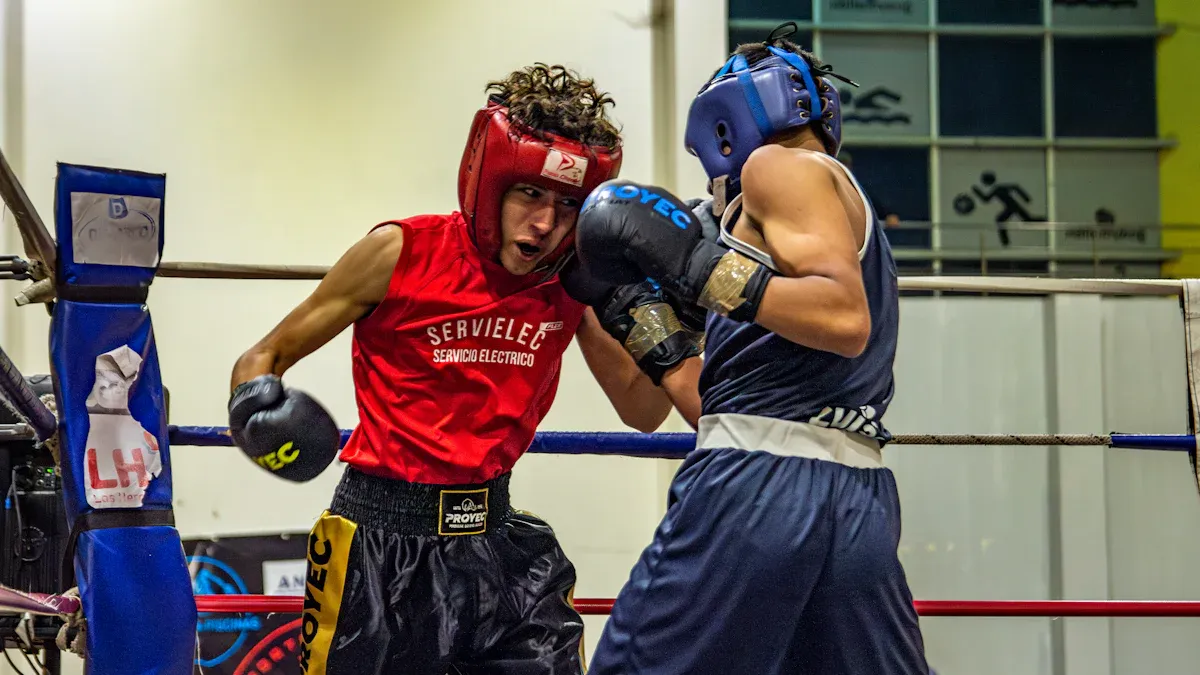
In boxing, mastering key boxing techniques is vital for your success in the ring. You must focus on the four main punches: Jab, Cross, Hook, and Uppercut. Each of these boxing techniques plays a significant role in your overall strategy. For instance, the jab helps you maintain distance, while the cross delivers power. The hook can catch opponents off guard, and the uppercut creates openings when their guard is tight. By understanding and practicing these boxing techniques, you can elevate your skills and performance in the sport.
Key Takeaways
Master the four key punches: Jab, Cross, Hook, and Uppercut. Each punch serves a unique purpose in your boxing strategy.
Practice the jab to maintain distance and set up combinations. It is essential for controlling the pace of the fight.
Use the cross for powerful strikes. Proper hip rotation and body mechanics enhance its effectiveness.
Incorporate the hook to catch opponents off guard. Its angle can disrupt their timing and create openings.
Utilize the uppercut in close-range situations. It targets the chin and can lead to significant advantages in tight spaces.
Jab Technique
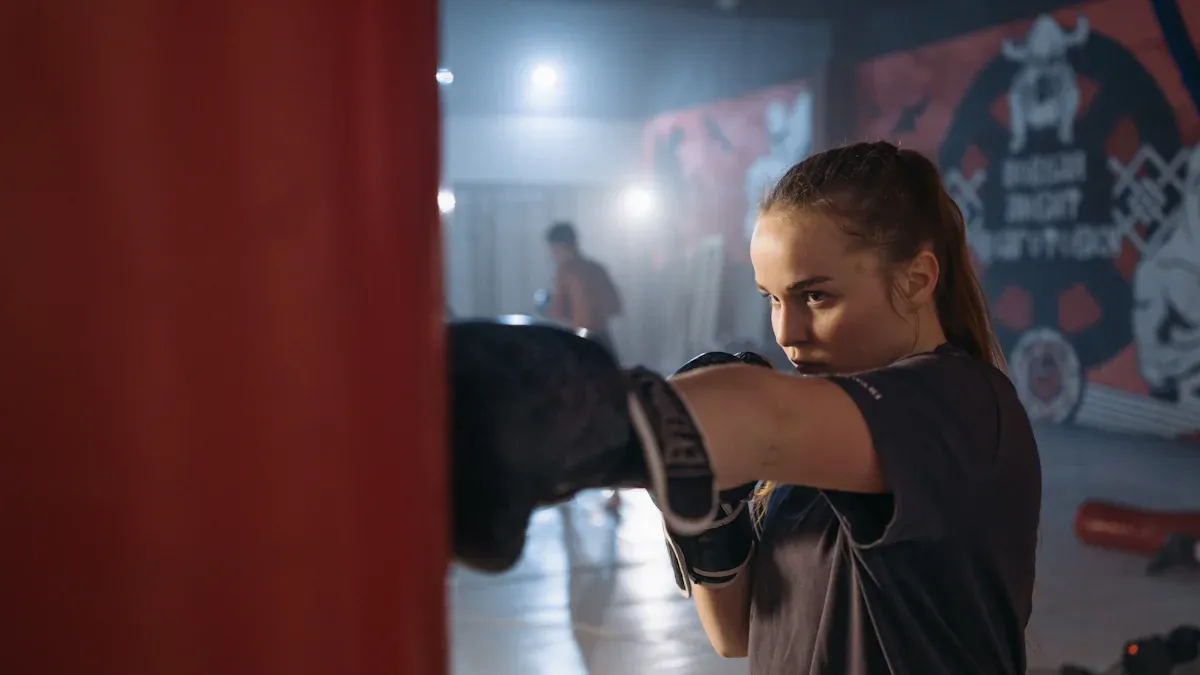
How to Execute the Jab
To execute a jab effectively, follow these steps:
Start in a Proper Stance: Stand with your feet shoulder-width apart. Keep your knees slightly bent and your weight balanced.
Position Your Hands: Hold your hands up to protect your face. Your lead hand (the one closest to your opponent) should be at eye level.
Extend Your Arm: Push your lead hand straight out toward your opponent. Keep your elbow in and your wrist straight. This helps maintain power and accuracy.
Rotate Your Shoulder: As you extend your arm, rotate your shoulder forward. This adds speed and force to your jab.
Step Forward: If needed, step forward with your lead foot as you jab. This movement helps close the distance and adds weight to your punch.
Retract Quickly: After the jab lands, quickly pull your hand back to your guard position. This protects you from counterattacks.
Remember, the jab is a quick, straight punch. It relies on speed and timing rather than brute strength.
Why Use the Jab
The jab serves multiple purposes in boxing:
Maintaining Distance: The jab acts as a range finder. It helps you gauge your distance from your opponent. By targeting their chest or head, you can keep them at bay. This is especially useful against shorter fighters. Boxers like Gervonta Davis and Errol Spence Jr. use the jab to control distance while setting up power shots.
Setting Up Combinations: The jab is a setup punch. It opens opportunities for other punches. For example, after a jab, you can follow up with a cross or a hook. This creates effective boxing combinations that can catch your opponent off guard.
Disrupting Opponent’s Rhythm: A well-timed jab can disrupt your opponent’s movements. It makes it harder for them to close the distance or launch their own attacks.
Common Mistakes to Avoid: Beginners often make mistakes when executing the jab. Here are some common errors to watch out for:
Dropping the lead hand while jabbing, which exposes you to counterattacks.
Leaning into the jab, bringing your head too close to your opponent.
Flaring your elbows, which can telegraph your moves.
By practicing the jab regularly, you can improve your technique and effectiveness in the ring.
Training Drills for the Jab
To enhance your jab technique, consider these drills:
Shadow Boxing: Focus on your form and accuracy without an opponent.
Heavy Bag Work: Aim for consistent impact on the bag to build power.
Double-End Bag: This helps improve your timing and reflexes.
Partner Pad Work: Practice dynamic jab combinations with a partner.
Footwork Integration: Combine jabs with footwork to enhance your movement.
Incorporating these drills into your training routine will help you master the jab and improve your overall boxing skills.
Cross Punch
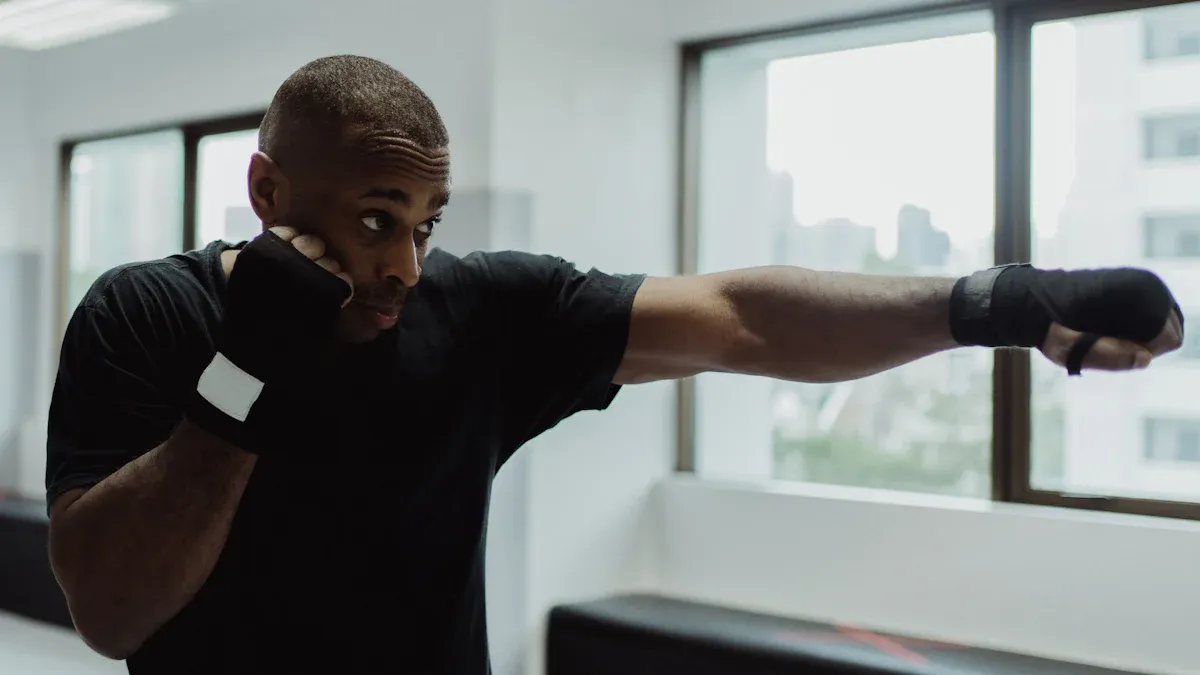
How to Execute the Cross
To throw a powerful cross punch, follow these steps:
Start with Your Boxing Stance: Stand with your feet shoulder-width apart. Position your lead foot slightly forward and angle your rear foot at 45 degrees. Keep your knees slightly bent for balance and hold your hands up to protect your face.
Push Off with Your Rear Foot: The power for the cross begins with your feet. Push off your back foot as you pivot on the ball of your foot. This movement generates the necessary force for your punch.
Rotate Your Hips and Shoulders: As your rear foot pivots, rotate your hips and shoulders toward your target. This rotation is crucial for maximizing the punch’s power.
Extend Your Rear Arm: Throw your punch in a straight line, aiming directly at your target. Your rear arm should extend fully but remain relaxed to maintain speed.
Keep Your Lead Hand Up: While throwing the cross, keep your lead hand up near your face. This protects you from counterattacks.
Snap Back to Position: Once the punch lands, quickly retract your rear hand back to its starting position. This helps you maintain your guard and prepares you for the next move.
Remember, the kinetic chain is essential for effective punching. It describes how energy transfers from your lower body through your torso to your arms. Proper hip rotation enhances the energy that travels from your feet to your fists, increasing the power of your cross punch.
Why Use the Cross
The cross punch is a powerful tool in your boxing arsenal. Here’s why you should incorporate it into your strategy:
Powerful Delivery: The cross delivers significant power. Engaging your core, shoulders, and back muscles during the punch enhances overall strength. Proper body rotation contributes to this power, making the cross one of the most effective punches in boxing.
Combination with the Jab: The cross works exceptionally well in combination with the jab. The jab disrupts your opponent’s rhythm and creates openings. When you follow the jab with a cross, you can exploit those openings effectively. This combination relies on timing and execution, making it a highly effective strategy for breaking through an opponent’s defense.
Versatile Use: You can use the cross in various situations. Whether you are countering an opponent’s attack or launching your own offensive, the cross can adapt to your needs.
Common Mistakes to Avoid: When executing the cross, be mindful of these common errors:
Failing to rotate your hips, which reduces power.
Dropping your lead hand, leaving you vulnerable to counterattacks.
Overextending your punch, which can lead to loss of balance.
By practicing the cross regularly, you can improve your technique and effectiveness in the ring.
Training Drills for the Cross
To enhance your cross punch technique, consider these drills:
Shadow Boxing: Focus on your form and power without an opponent.
Heavy Bag Work: Aim for consistent impact on the bag to build strength.
Partner Pad Work: Practice dynamic combinations with a partner.
Footwork Integration: Combine crosses with footwork to enhance your movement.
Incorporating these drills into your training routine will help you master the cross punch and improve your overall boxing skills.
Hook Punch
How to Execute the Hook
To throw an effective hook punch, follow these steps:
Stand Firm: Position your feet shoulder-width apart. This stance provides balance.
Step Back: If you’re right-handed, step back with your right foot. If you’re left-handed, step back with your left foot. This adjustment helps you prepare for the punch.
Align Your Body: Turn your feet so your toes point slightly toward your dominant side. Keep your hips and shoulders squared toward your opponent.
Guard Your Face: Raise your fists just below your chin. Tuck your elbows in to protect your body.
Execute the Punch: For a front hook, shift your weight into your front leg. Rotate your front foot, knee, and hip while swinging your arm in an arcing motion. For a back hook, do the same but shift your weight into your rear leg.
Return to Guard: Always bring your punching hand back to guard your face after the punch.
The hook punch’s angle and surprise element make it a powerful tool. When you throw a lead hook after a jab, your opponent may not see it coming. This unexpected nature can disrupt their timing and create openings for further attacks.
Why Use the Hook
The hook punch is effective for several reasons:
Catching Opponents Off Guard: The hook’s angle makes it hard for opponents to anticipate. This punch can surprise them, especially when they expect a straight punch.
Exploiting Weaknesses: You can observe your opponent’s defensive actions to find openings. If they extend their hand while blocking, they become vulnerable to a hook. Recognizing predictable movements can inform your counter-punching strategies.
Power Generation: The hook relies on hip rotation and body mechanics. Elite boxers generate more force from their hips compared to lower-level boxers, who often rely on shoulder motion. This emphasizes the importance of lower body strength in delivering powerful punches.
Statistical Effectiveness: Studies show that the hook punch can deliver significant impact power. For instance, boxers with higher body mass and arm span generate more force with their hooks. This highlights the punch’s effectiveness in professional boxing matches.
Incorporating the hook into your boxing combinations can enhance your overall strategy. Practice this punch regularly to improve your skills and effectiveness in the ring.
Uppercut Technique
How to Execute the Uppercut
To throw an effective uppercut, follow these steps:
Start in Your Boxing Stance: Stand with your feet shoulder-width apart. Keep your knees slightly bent for balance.
Position Your Hands: Imagine your opponent’s head being at mid-to-close distance. Drop your front arm about one foot to create space for power generation.
Shift Your Weight: Slightly shift your weight to your front foot. This movement helps generate upward force.
Rotate Your Hips: Rotate your hips clockwise if you are in an orthodox stance. If you are a southpaw, rotate counterclockwise. This rotation adds power to your punch.
Drive Your Front Hand Upwards: Exaggerate the shoulder rotation and drive your front hand upwards towards your opponent’s chin with your palm facing your face.
Protect Your Chin: At the end of the motion, your front shoulder should cover your chin. This protects you from counterattacks.
Reset Quickly: Return your front hand to your guard and reset into your stance quickly.
The uppercut’s upward motion targets the chin or jaw, making it effective in close-range situations.
Why Use the Uppercut
The uppercut is a powerful punch that can give you an advantage in various scenarios:
Close Quarters Effectiveness: The uppercut excels in tight spaces, targeting your opponent’s chin or jaw. This punch can disrupt their balance, creating openings for further strikes.
Timing and Technique: Precise timing and technique maximize the uppercut’s impact. You can catch your opponent off guard, especially when they expect a different type of punch.
Complementing Other Punches: The uppercut works well in combinations with other punches. It adds a new dimension to your attacks, making your strategy more unpredictable.
To master the uppercut, practice drills such as heavy bag work and using an uppercut bag. These methods help refine your accuracy and technique while ensuring proper alignment. Remember, generating power starts from the ground and transfers through your body. Avoid common mistakes like not using your hips and core, as this can reduce power and increase injury risk.
Incorporating the uppercut into your boxing techniques will enhance your overall performance in the ring.
Mastering the Jab, Cross, Hook, and Uppercut is essential for your success in boxing. These punches form the foundation of effective boxing technique. Regular practice not only enhances your skills but also boosts your confidence and physical fitness. You can burn 400-800 calories per hour while improving your cardiovascular endurance and muscle strength. Additionally, tracking your progress with tools like punch trackers can motivate you to refine your technique. Commit to practicing these punches consistently, and you will see significant improvements in your performance in the ring. 🥊
FAQ
What are the basic boxing techniques?
Basic boxing techniques include the jab, cross, hook, and uppercut. These punches form the foundation of effective boxing. Mastering these types of punches helps you improve your performance in the ring.
How can I improve my combo skills?
To enhance your combo skills, practice a sequential series of punches. Start with basic punches like the jab and cross, then add hooks and uppercuts. Shadow boxing and partner drills can help you develop fluidity in your combinations.
What types of boxing punches should I focus on as a beginner?
As a beginner, focus on the jab and cross. These basic boxing techniques are essential for building your foundation. Once you master them, you can progress to more advanced punches like hooks and uppercuts.
How do I know when to use different types of punches?
Use different types of punches based on your opponent’s position and movement. For example, use the jab to maintain distance and the uppercut when in close range. Understanding your opponent’s style will help you decide which punch to throw.
Can I practice boxing punches at home?
Yes, you can practice boxing punches at home. Use a heavy bag or shadow boxing to refine your technique. Focus on form and speed to improve your overall skills. Regular practice will help you become more proficient in your punches.
