Book Appointment Now

Basketball Injury Prevention: Tips for Longevity in the Game

Injury prevention plays a vital role in basketball. By taking steps to avoid injuries, you can enjoy a longer playing career. Common injuries in basketball include knee injuries, which affect both men and women. Studies show that knee injuries account for 25% of total injuries, while ankle sprains are also prevalent, making up 42.9% of reported cases. With lower limbs suffering 78% of injuries, it’s crucial to adopt proactive measures to protect yourself on the court.
Key Takeaways
Injury prevention is key for a long basketball career. Focus on strategies to stay healthy and avoid injuries.
Warm-up routines and dynamic stretching significantly reduce the risk of lower limb injuries. Incorporate these into your pre-game routine.
Strength training enhances performance and prevents injuries. Include exercises that focus on single-leg strength and core stability.
Choose the right basketball shoes with good cushioning and ankle support. Proper footwear can help protect against common injuries.
Recovery days are essential. Allow your body to heal and recharge to prevent overuse injuries and maintain peak performance.
Why Injury Prevention Matters
Injury prevention is crucial for your performance and longevity in basketball. When you take steps to avoid injuries, you enhance your ability to play consistently and effectively. Here are some reasons why focusing on injury prevention matters:
Improved Performance: Staying injury-free allows you to practice and compete at your best. Injuries can disrupt your training schedule and hinder your skill development.
Career Longevity: By preventing injuries, you can extend your playing career. Many athletes face challenges in regaining their form after an injury. In fact, surgical interventions can sometimes lead to career-ending situations.
Common basketball injuries can significantly impact your availability and performance. Here are some of the most frequent injuries you might encounter:
Ankle Injuries: These are the most common injuries in basketball, with rates of 3.8-4 per 1,000 participations in recreational settings. Ankle injuries account for about one-third of all lower-extremity injuries. They often lead to significant time lost from training and competition.
Knee Injuries: Injuries to the knee, such as ACL tears, can be devastating. Studies show that only 14% of players return to the game after an ACL reconstruction. Those who do return often experience a decline in their performance metrics.
Overuse Injuries: These injuries occur gradually due to repetitive stress on the body. They can lead to chronic pain and long-term health issues if not addressed early.
Understanding these common basketball injuries and their potential impact on your career is essential. By implementing effective injury prevention techniques, you can protect yourself on the court and enjoy a longer, healthier playing career.
Warm-Up and Stretching Techniques

Effective Warm-Up Routines
A proper warm-up routine is essential for reducing injury risk in basketball. Engaging in effective warm-up activities prepares your body for the demands of the game. Here are some recommended warm-up techniques:
Dynamic stretching: This involves repetitive movements that increase blood flow and flexibility.
Carioca with hip drive: This lateral movement enhances agility.
Back jog: Running backward improves coordination and balance.
Lateral high knees: This focuses on knee lift and core engagement.
Walking lunges: These enhance leg strength and stability.
Explosion runs: These teach quick acceleration and deceleration.
Scissor jumps: This develops explosive power and coordination.
Skip with an arm swing/A-skip: This improves rhythm and coordination.
Lateral shuffle: This enhances lateral movement and agility.
Vertical jumps: These build explosive strength for jumping.
Bounding: This improves stride length and power.
Research shows that warm-up routines can significantly reduce lower extremity injuries in basketball players. However, not all strategies are equally effective. Low adherence to warm-up interventions can limit their benefits. In fact, 63.7% of basketball injuries occur in the lower limbs, making this a critical area for injury prevention efforts.
Evidence Summary | Findings |
|---|---|
Effectiveness of Warm-ups | Warm-up routines can reduce lower extremity injuries in basketball players, although not all strategies show a protective effect. |
Compliance Issues | Low adherence (60% participation) may affect the effectiveness of warm-up interventions. |
Injury Statistics | 63.7% of basketball injuries occur in the lower limbs, indicating a significant area for injury prevention efforts. |
Multicomponent Interventions | Specific warm-up activities, including jumping and strength training, are associated with a lower risk of injuries. |
Stretching for Flexibility
Regular stretching plays a vital role in preventing injuries. It enhances flexibility and reduces the risk of muscle strains. Here are some key points about stretching:
Consistent stretching can prevent injuries.
Chronic stretching improves athletic performance.
Specific types of stretching can enhance flexibility and reduce susceptibility to muscle strains.
Studies indicate that dynamic stretching programs can improve ankle joint stability, which is crucial for basketball players.
Study Type | Findings | Injury Incidence |
|---|---|---|
High School Soccer Players | DS program showed no significant differences compared to DS + SS program | 17 injuries (DS), 20 injuries (DS + SS) |
Sport Dancers | DS training significantly improved ankle joint stability | Not specified |
Incorporating both warm-up and stretching techniques into your routine can help you stay injury-free and perform at your best on the court.
Strength Training for Injury Prevention
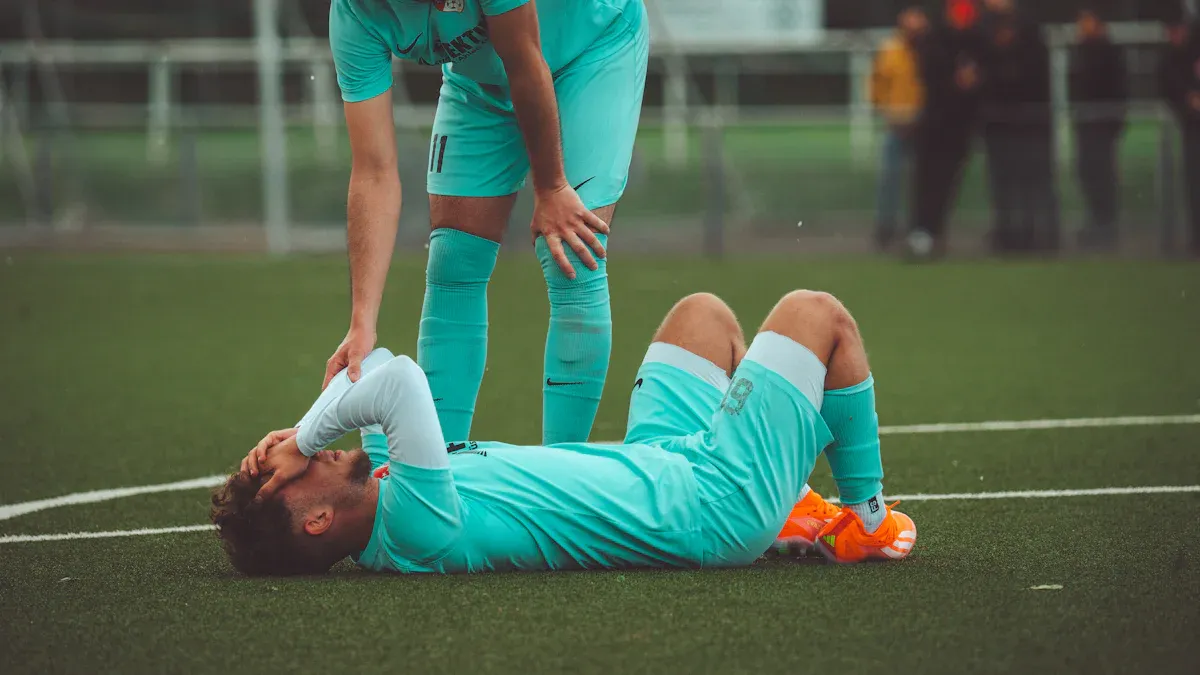
Strength training plays a crucial role in injury prevention for basketball players. By incorporating specific exercises into your routine, you can enhance your performance and reduce the risk of injuries. Here are some key exercises that can help you achieve these goals:
Key Exercises
Focus on these effective strength training exercises to prevent injuries:
Exercise Type | Examples |
|---|---|
Single Leg Strengthening | Lunges, Bulgarian split squats, Cossack squats, Step-ups |
Eccentric Strengthening | Nordic curls, reverse Nordic curls, increasing eccentric contraction time |
Core Strengthening | Stability exercises (planks, Pallof press), dynamic exercises (wood chops, leg lifts) |
Incorporating these exercises into your training routine can improve deceleration and jumping mechanics. This focus helps you land safely and reduces the risk of injuries. Additionally, consider these important training strategies:
Improve deceleration to reduce injury risk.
Focus on jumping and landing mechanics.
Incorporate single-leg strength and deceleration training.
Core Stability
Core stability is essential for athletic function. It helps maintain trunk position over a stable pelvic base, which is crucial for preventing injuries during dynamic movements. A loss of core stability increases your risk of injury. Proper training can significantly reduce this probability. Weak core muscle coordination can lead to abnormal movement patterns and various sports injuries.
Here are some benefits of improving core stability:
Reduces the risk of back injuries by improving spinal alignment.
Enhances balance and stability, crucial for preventing falls.
Improves functional movements, reducing the risk of muscle injuries.
To strengthen your core, try these recommended exercises:
Single-Leg Balance: Stand on one leg for 30-60 seconds to enhance balance.
Stability Ball Plank: Perform a plank on a stability ball to challenge core stability.
Bosu Ball Squats: Squat on a Bosu ball to improve balance and core strength.
Lateral Lunges with a Medicine Ball Twist: Engage your core while performing lateral lunges with a twist.
Hip Bridges: Strengthen your core, hips, and glutes to maintain balance and proper posture.
By focusing on strength training and core stability, you can significantly enhance your basketball injury prevention techniques. This proactive approach will help you enjoy a longer, healthier playing career.
Proper Footwear for Reducing Injury Risk
Choosing the Right Shoes
Selecting the right basketball shoes is essential for reducing injury risk. You should look for shoes that offer specific features to enhance your performance and protect your feet. Consider these key features:
Cushioning: A shoe with better cushioning helps absorb impact during jumps and sudden movements.
Ankle Support: Shoes with a high collar provide better ankle stability, especially when you jump or land.
Traction: Good traction prevents slipping on the court, enhancing your stability during quick movements.
Weight: Lighter shoes can improve your jump performance, which may reduce the risk of injury.
Research indicates that while cushioning can buffer impact forces, it does not significantly lower the risk of ankle injuries compared to non-cushioned shoes. A study found that basketball shoes with increased ankle support might negatively impact motor performance, reducing jump height. Therefore, you should balance support with performance when choosing your footwear.
Shoe Maintenance Tips
Proper shoe maintenance is crucial for ensuring your footwear remains effective. Here are some tips to keep your shoes in top condition:
Regular Inspection: Check your shoes for signs of wear, such as worn-out soles or damaged uppers.
Cleaning: Clean your shoes regularly to maintain grip and prevent dirt buildup.
Replacement: Replace your basketball shoes every two to three months if you play frequently. Dr. Lowe recommends changing shoes monthly during the season to significantly reduce injury rates. NBA players often replace their shoes every 7-10 days to maintain optimal performance.
By choosing the right shoes and maintaining them properly, you can significantly reduce your injury risk on the basketball court.
Technique for Injury Prevention
Proper Shooting and Landing
Using proper technique during shooting and landing is vital for injury prevention. When you shoot, focus on your landing mechanics. Aim for a soft landing to reduce stress on your knees. Research shows that feedback on landing mechanics during shooting drills can improve your technique. This practice can significantly lower the risk of ACL injuries by promoting softer landings.
Here’s a summary of findings related to landing techniques:
Evidence Type | Findings | Implications |
|---|---|---|
Training Intervention | Feedback on landing mechanics during shooting drills can improve adherence to safe landing techniques. | Reduces risk of ACL injuries by promoting softer landings. |
Neuromuscular Training | Programs that include cues for softer landings have shown to reduce ACL injury occurrences. | Highlights the need for effective training despite barriers like cost and time. |
Feedback Mechanism | Varied feedback (video, auditory, pictorial) can be integrated into practice without financial burden. | Supports the feasibility of educating athletes on proper landing techniques. |
Improper landing can increase the risk of knee injuries. Studies indicate that poor landing techniques lead to higher injury rates, especially for the ACL. You should always practice landing softly to protect your joints.
Defensive Movement
Defensive movements are crucial for minimizing injury risk in basketball. Engaging in specific warm-up routines can prepare your body for quick changes in direction. Here are some recommended techniques:
Leg Swings: Activate hip flexors and hamstrings, improving your range of motion.
Hip Circles: Enhance hip mobility, crucial for agility.
Arm Circles: Loosen shoulder joints, reducing the risk of shoulder injuries.
High Knees and Butt Kicks: Engage lower body muscles for quick sprints.
Training for defensive movement also improves proprioceptive control. This control allows you to manage jumping and landing trajectories better. As a result, you minimize mechanical stress on your lower limbs and spine.
Engaging in these exercises can strengthen stabilizing muscles. This strength helps counteract situations that lead to ankle and knee sprains.
By focusing on proper shooting and landing techniques, along with effective defensive movements, you can significantly enhance your basketball injury prevention strategies.
Recovery and Rest Strategies
Importance of Recovery Days
Recovery days are essential for basketball players. They allow your body to heal and recharge. Without adequate recovery, you risk injuries like stress fractures. These injuries occur when your bones experience repeated stress without enough time to recover. In fact, the incidence of stress fractures in elite athletes can reach 15%.
Taking time off helps prevent overuse injuries. When you push your body too hard, fatigue sets in. This fatigue can lead to both physical and mental burnout. Well-rested muscles and joints are less prone to strains and sprains. Recovery days also improve your reaction times and decision-making on the court. You will find that your coordination, balance, and endurance improve, allowing you to maintain intensity throughout games.
Effective Recovery Techniques
To maximize your recovery, consider these effective techniques:
Rehydrate and Refuel: After games, drink water and sports drinks with electrolytes. Eat a meal or snack with protein and carbohydrates within 30 minutes.
Stretch and Foam Roll: Focus on stretching key muscle groups. Use foam rolling to release tightness and improve blood circulation.
Cold and Contrast Therapy: Ice baths or cold packs can reduce soreness and inflammation. Alternating hot and cold treatments can also be beneficial.
Active Recovery: Engage in low-intensity activities like light cycling or yoga. These activities promote recovery without overloading your muscles.
Prioritize Sleep: Aim for 7-9 hours of quality sleep each night. Sleep allows your body to repair and restore energy.
Integrating these recovery techniques into your routine will enhance your performance and minimize injury risks. Remember, recovery should be an integral part of your training regimen.
Nutrition and Hydration for Longevity
Balanced Diet
A balanced diet is essential for basketball players. Proper nutrition helps you maintain physical and cognitive performance. It also supports injury prevention and enhances recovery. You should focus on a tailored nutritional plan that considers your unique needs, playing position, and energy demands. Basketball players require high energy due to their muscle mass.
To support your health, include the following in your diet:
High-Quality Proteins: Aim for about 0.5 grams of protein per kilogram of body weight every 3-4 hours. This intake aids tissue synthesis, recovery, and injury prevention.
Fruits and Vegetables: These provide essential vitamins and minerals. For example, adequate vitamin D levels are crucial. Low vitamin D can increase the risk of stress fractures and muscle strains.
Whole Grains: Foods like brown rice and whole wheat bread offer energy and fiber. They help keep you full and provide sustained energy during games.
Healthy Fats: Include sources like avocados, nuts, and olive oil. These fats support overall health and energy levels.
Research shows that a balanced diet can significantly reduce injury rates among athletes. For instance, athletes with low vitamin D levels face a 3.6 times greater risk of stress fractures.
Staying Hydrated
Staying hydrated is vital for your performance on the court. Proper hydration helps regulate body temperature and reduces fatigue. Here are some benefits of staying hydrated:
Reduces core body temperature
Decreases sweating, resulting in fewer electrolytes lost
Lowers average heart rate
Mitigates feelings of fatigue
Hydration also improves oxygen delivery and blood flow, enhancing muscular strength and endurance. A well-hydrated body has better tissue pliability, which reduces injury risk.
Be aware of common hydration mistakes:
Hydration Mistake | Consequence |
|---|---|
Drinking Only When Thirsty | 1-2% dehydration can reduce performance by 10-20%. |
Relying on Plain Water | Can lead to hyponatremia, worsening hydration status. |
Overhydrating Before Games | May cause stomach discomfort and frequent bathroom trips during the game. |
Ignoring Sweat Rate Individuality | Not replacing lost fluids can lead to dehydration and decreased performance. |
Many players underestimate hydration’s impact on their performance. Even a small loss of body weight due to dehydration can significantly affect skills and response times. Therefore, maintaining proper hydration is essential for optimal performance during practices and games.
Injury prevention is vital for your success and longevity in basketball. By implementing effective strategies, you can significantly reduce your risk of injuries. Here are the key takeaways:
Key Findings | Details |
|---|---|
Game injury risk | Significantly greater than training |
Prevalence of lower-limb injuries | Most common injuries occur at the ankle |
Overuse injuries | Patellar tendinopathy accounts for 73% |
Importance of evidence-based strategies | Essential for mitigating injury risks |
Focus on warm-up routines, strength training, proper footwear, and recovery techniques. These practices will help you stay on the court longer and perform at your best. Make injury prevention a priority in your training and playing routines.
FAQ
What are the most common basketball injuries?
The most common basketball injuries include ankle sprains, knee injuries (like ACL tears), and overuse injuries. These injuries often result from sudden movements, improper techniques, or inadequate conditioning.
How can I prevent ankle sprains?
To prevent ankle sprains, wear proper footwear, strengthen your ankles with exercises, and practice good landing techniques. Always warm up before playing to prepare your body for movement.
How often should I take recovery days?
You should take recovery days at least once a week. This time allows your body to heal and recharge, reducing the risk of overuse injuries and improving your overall performance.
What role does nutrition play in injury prevention?
Nutrition fuels your body and supports recovery. A balanced diet rich in proteins, fruits, vegetables, and whole grains helps maintain muscle strength and reduces injury risk.
How important is hydration during games?
Staying hydrated is crucial during games. Proper hydration helps regulate body temperature, reduces fatigue, and improves performance. Aim to drink water and electrolyte-rich fluids before, during, and after play.
